The Feeling of Home
A city that welcomes everyone — where startups meet gardens, innovation meets culture, and strangers become family overnight.
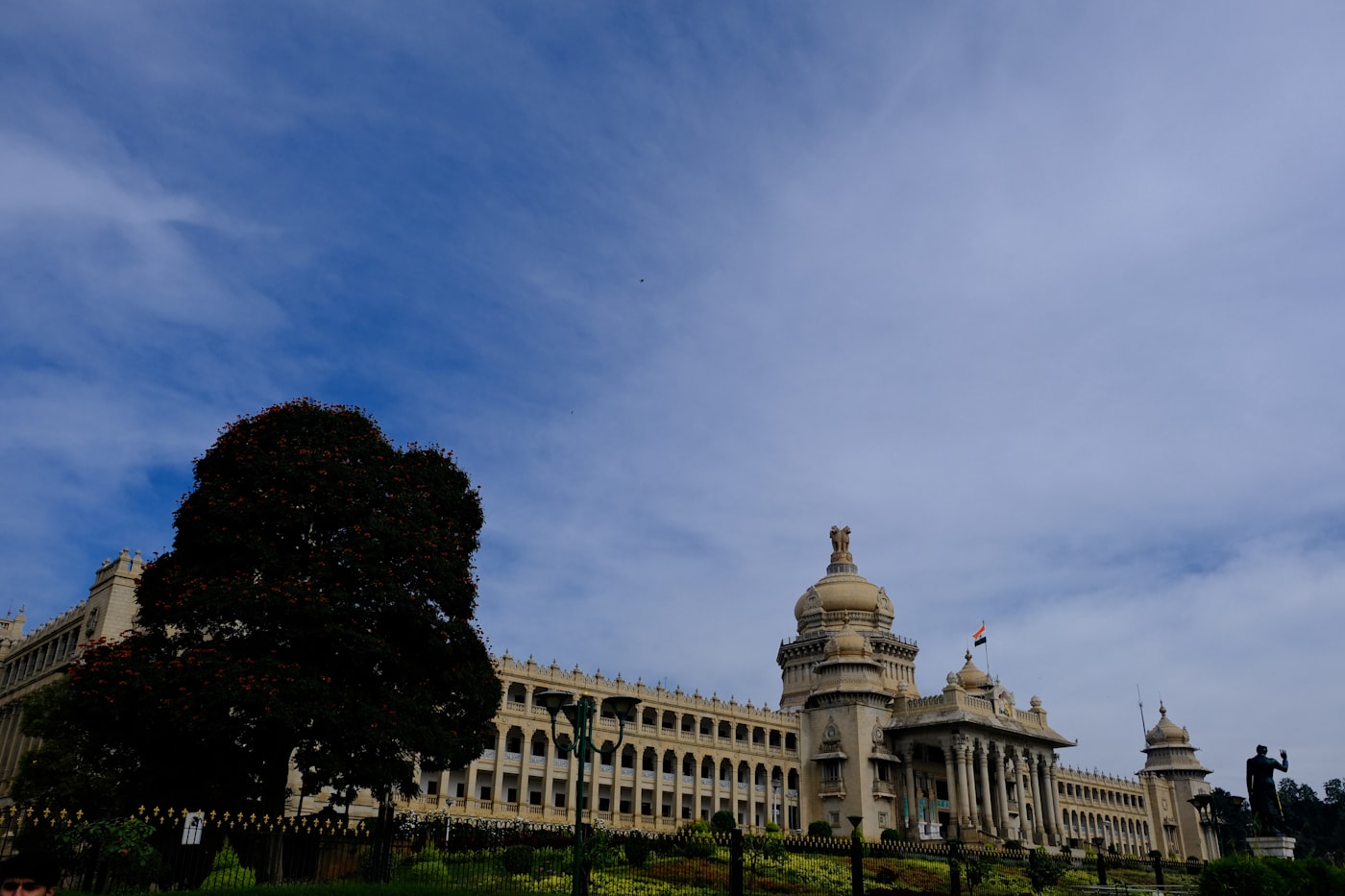
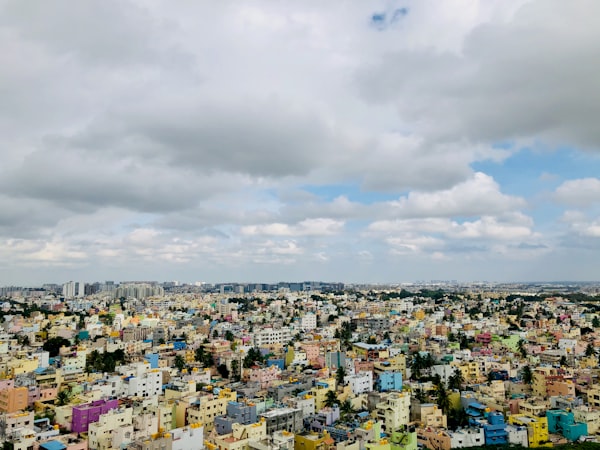
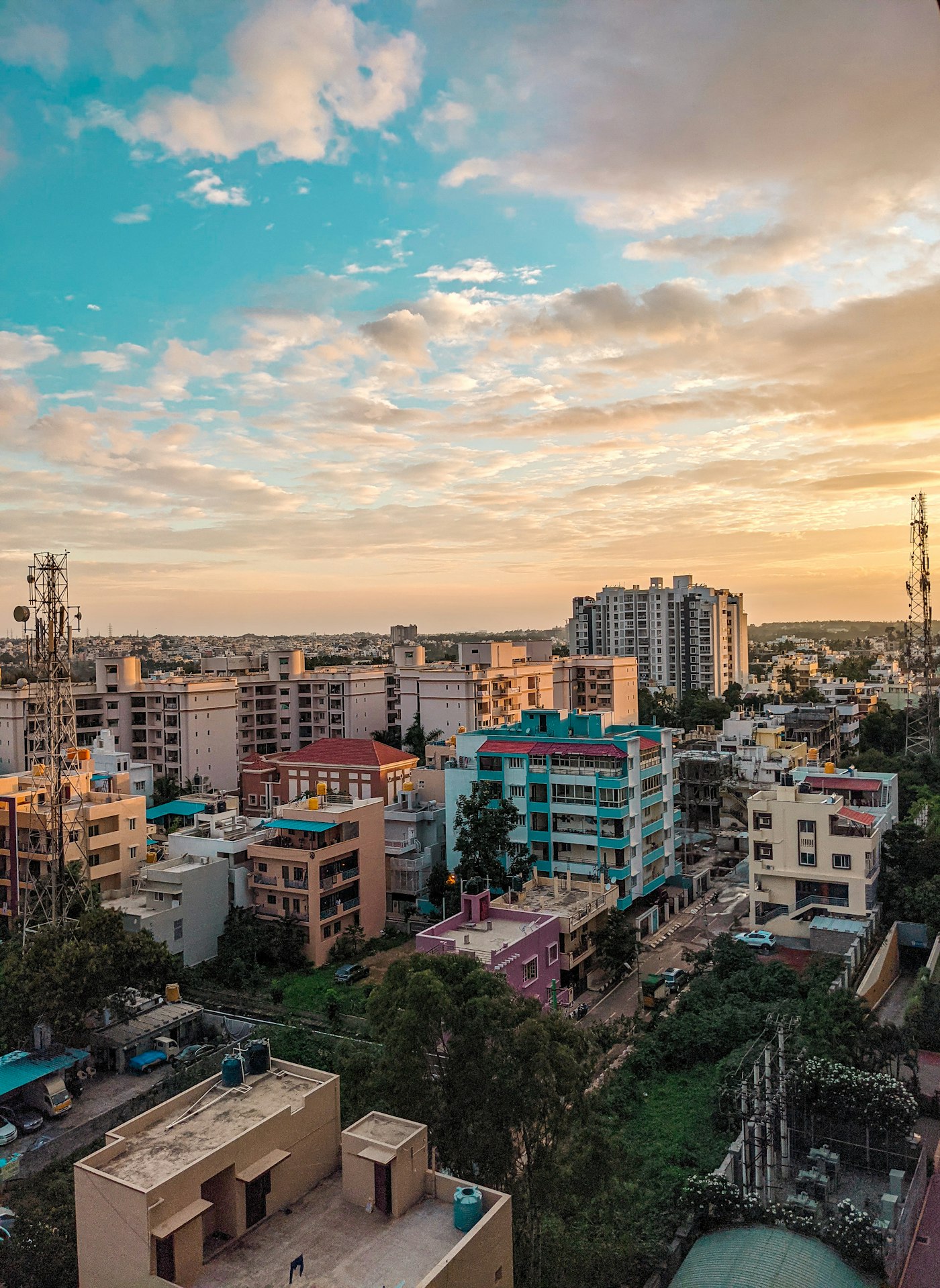
Bengaluru is India's city of possibilities — a place where technology, creativity, and culture converge in the most vibrant way. From the leafy boulevards of Indiranagar to the gleaming campuses of HITEC City's South Indian counterpart, Bengaluru hums with a productive, inclusive energy found nowhere else in India.
AIESEC in Bengaluru offers exchange participants an extraordinary mix of professional exposure and cultural discovery. The city's cosmopolitan spirit ensures that every nationality, background, and personality finds its place — making this truly The Feeling of Home, wherever you're from.
What makes Bengaluru unforgettable.
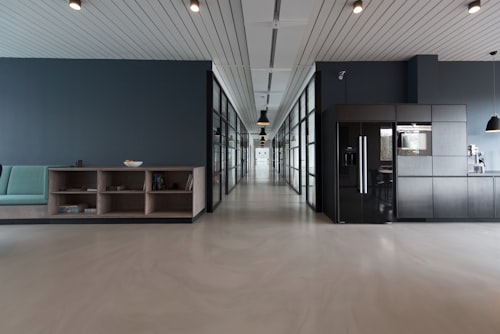
Bengaluru hosts more software engineers than any city outside San Francisco, with the Indian offices of Google, Amazon, Microsoft, and hundreds of startups concentrated in Whitefield, Koramangala, and Electronic City. The resulting culture — globally networked, entrepreneurially minded, and relentlessly young — has remade the city over three decades. For exchange participants, professional access here is unlike anywhere else in India.
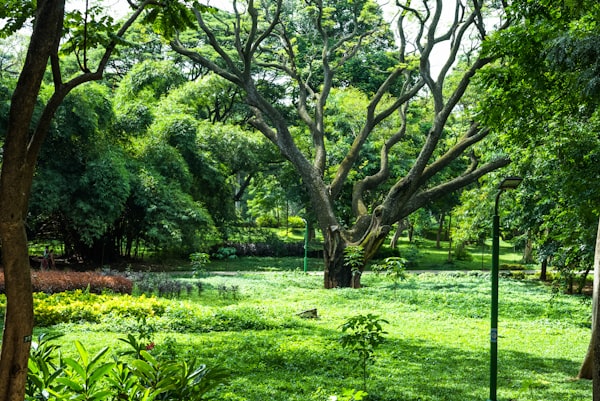
Cubbon Park is 300 acres of colonial-era greenery at Bengaluru's geographic heart — a former botanical garden now containing the State Library, the High Court, and walking paths used by thousands daily. The city has over 80 parks and lakes, a legacy of its original garden-city planning that has survived the tech boom. Bengaluru's greenery remains its most unexpected quality.
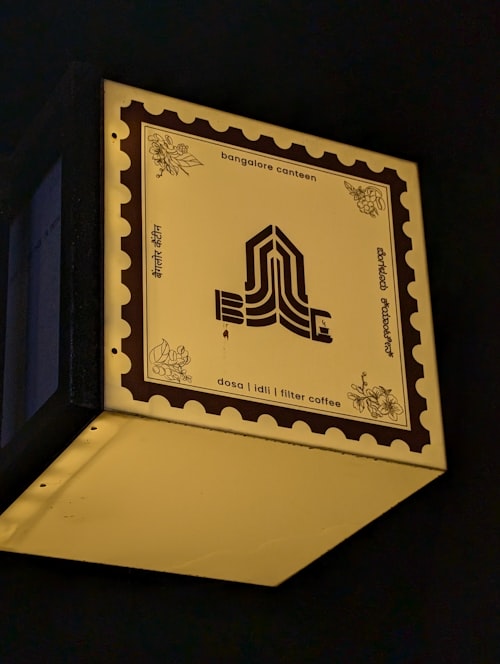
Bengaluru was the first Indian city to liberalise its licensing laws and has the most mature café and pub culture in the country. Indiranagar's 100 Feet Road, Koramangala's side lanes, and Church Street together contain a density of good coffee, craft beer, and independent restaurants found in very few Asian cities. The social life this creates is one of the genuinely best things about living here.

The Namma Metro carries over 800,000 passengers daily and makes Bengaluru's sprawl navigable — the Purple and Green Lines connect the airport, Electronic City, Whitefield, and the city centre. Extensions under construction will cover most remaining major corridors. For exchange participants, the metro transforms what can feel like an impossible city into a manageable one.
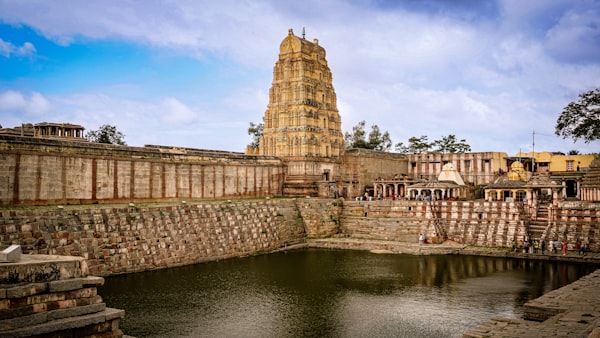
Bengaluru was founded in 1537 by Kempe Gowda and carries layers of Hoysala, Vijayanagara, and Mysore kingdom history beneath its tech-corridor surface. The old city — Basavanagudi, Malleswaram, the Pete area — is architecturally and culturally distinct from the startup districts. The Mysore kingdom's influence on Bengaluru's food, music, and festivals is still palpable today.

Bengaluru's food spans ancient and contemporary in the same city: filter coffee and idli from a Udupi restaurant in Malleswaram in the morning; biryanis, craft beer, and one of South India's most evolved restaurant scenes in the evening. The range — South Indian, North Indian, global — is exceptional. It is one of the most satisfying cities in India in which to eat.
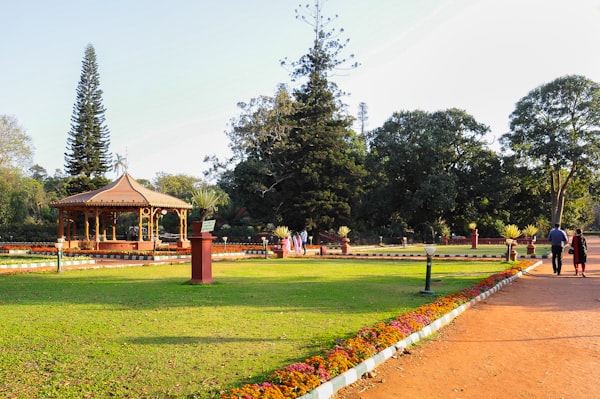
Lalbagh was commissioned by Hyder Ali in 1760 and extended by Tipu Sultan, making it older than most institutions that now surround it. Its 240 acres contain over 1,000 plant species, a 19th-century glasshouse modelled on London's Crystal Palace, and a rock formation estimated at 3,000 million years old. The biannual flower shows draw hundreds of thousands of visitors each season.

Bengaluru's cosmopolitan population has built a genuinely diverse sporting culture — active franchises in football, kabaddi, and cricket, and India's most consistent Formula E street race. The Kanteerava Stadium and Chinnaswamy ground are well-attended; the running and cycling communities are among the largest in India. Sport here is participatory, not just spectatorial.
Everything you need to know before arriving in Bengaluru.
Options include hostels, host families, and shared flats — ideally within a 4 km radius of your workplace. Your local committee will help arrange everything.
Bengaluru is a dynamic city — expect to spend ₹12,000–15,000 per month for transport, meals, and daily expenses. Accommodation costs vary depending on proximity to your workplace.
Excellent connectivity via Namma Metro, Ola/Uber cabs, and BMTC buses. The metro is the fastest and most affordable way to navigate across the city's different zones.
You'll need a valid Indian visa for your exchange. Your local committee will provide a detailed visa guide and assist with the application process.
Bengaluru has world-class healthcare — from government hospitals to top private chains like Manipal and Apollo. Your local committee provides safety guidelines and emergency contacts.
Kannada is the local language; a "Namaskara" or "Dhanyavadagalu" (thank you) will charm every local. English is widely spoken — Bengaluru is one of India's most English-friendly cities.
Jio, Airtel, and Vi offer excellent 4G/5G across Bengaluru. Pick up a prepaid SIM at the airport or any store — data plans are affordable and coverage is near-universal.
Dress modestly at temples and heritage sites. Remove footwear at religious entrances. Bengaluru is cosmopolitan and relaxed — a respectful, curious attitude goes a long way.
Three ways to experience Bengaluru through AIESEC.

A 6–8 week volunteering exchange program for ages 18–30, focused on sustainable development goals. Make a tangible impact on local communities while immersing yourself in Karnataka culture.

A professional internship experience designed to accelerate your career development in a global setting. Work with Bengaluru's growing industries and gain real-world professional skills.

Bridge educational gaps by teaching in Bengaluru's schools and communities. Develop culturally responsive pedagogy while making a lasting impact on young learners.
Your dedicated team in Bengaluru, ready to make your exchange unforgettable.
Reach out to our national team for any questions about exchanges in Bengaluru.