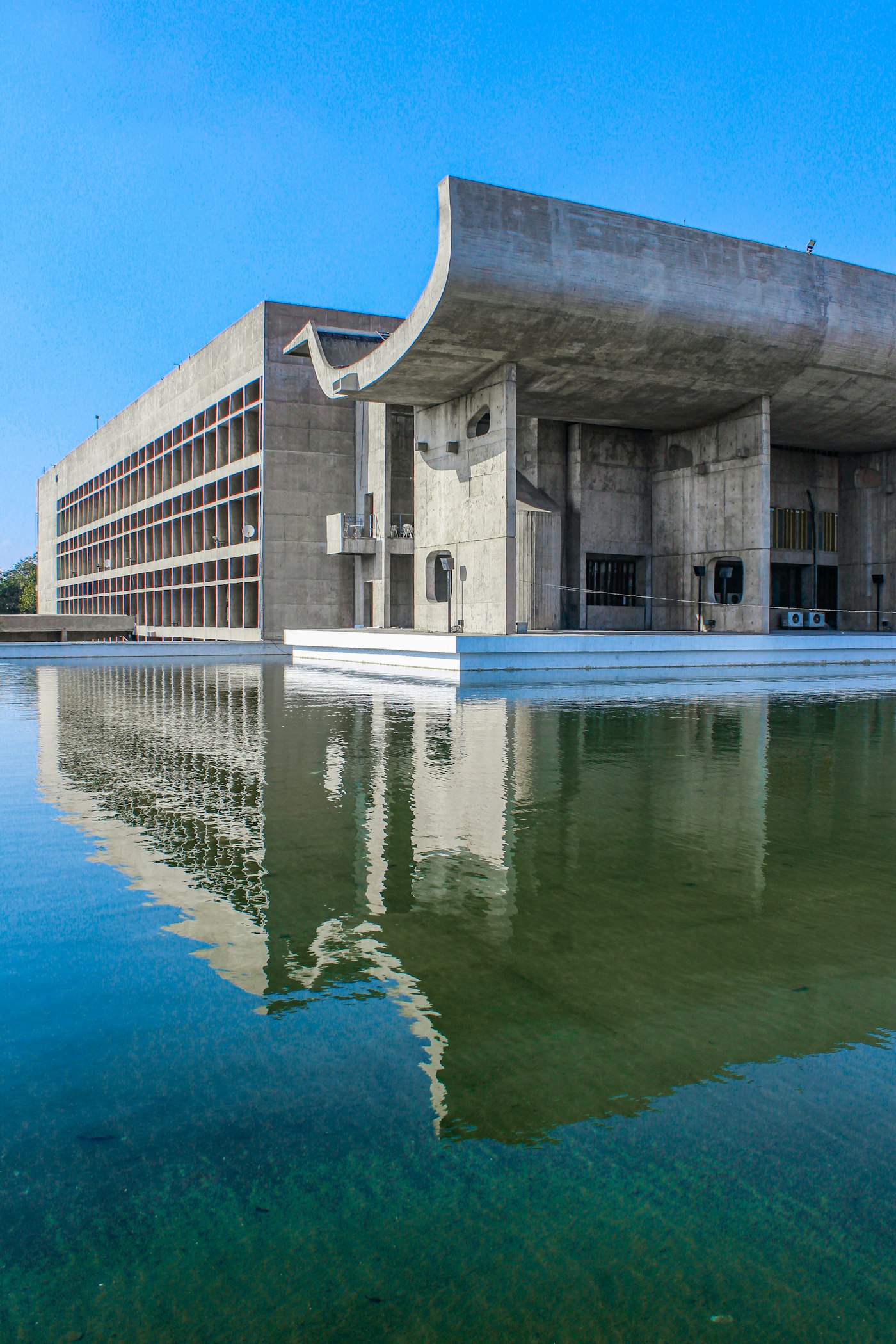
The Feeling of City Beautiful
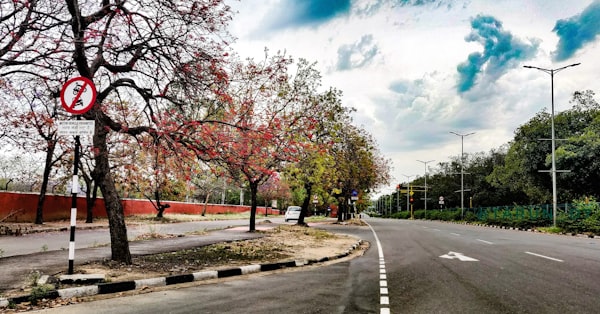
Planned with vision and lived with elegance — Chandigarh's ordered boulevards and open spaces embody India's modernist dream made real.
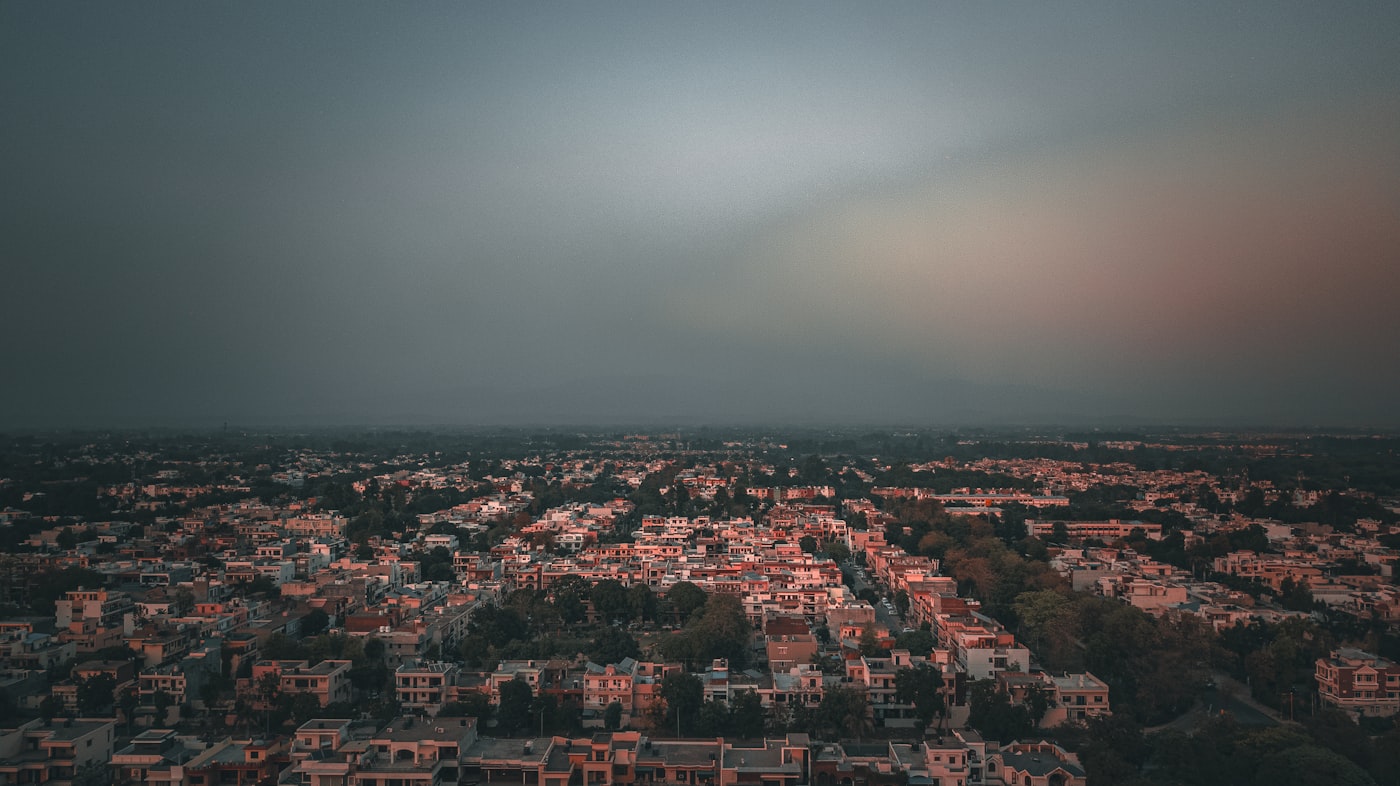
Chandigarh is India's most extraordinary urban experiment — a city designed from scratch by the legendary architect Le Corbusier after Partition, and a living testament to modernist planning at its finest. Wide boulevards, lush sector parks, and the iconic Capitol Complex set this city apart from every other in India.
AIESEC in Chandigarh offers exchange participants a uniquely refined experience — intellectual, cosmopolitan, and deeply Punjabi all at once. From the Rock Garden to Sukhna Lake, from bustling Sector 17 to the heritage museums near the border, Chandigarh is a city that rewards every curious visitor.
What makes Chandigarh unforgettable.
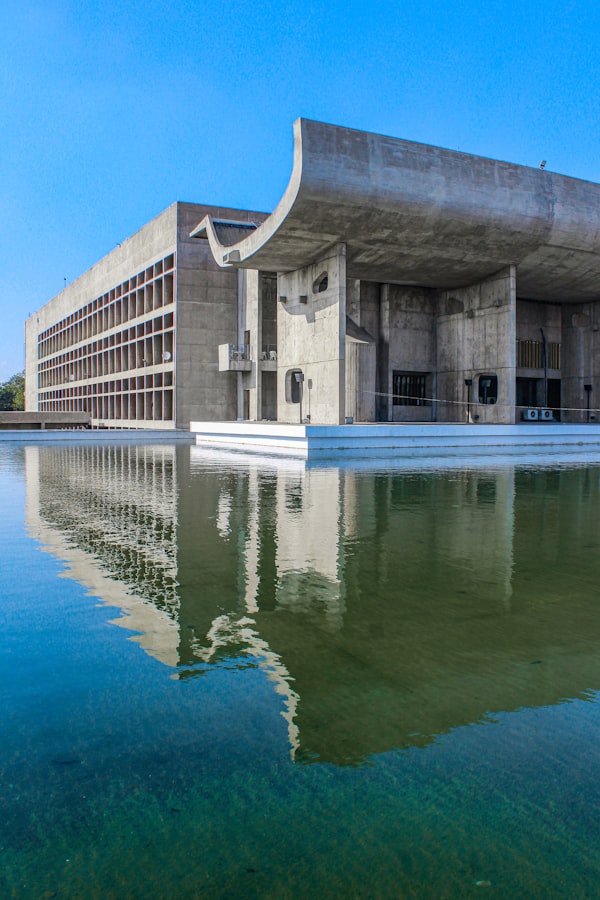
Chandigarh is the world's most complete experiment in modernist urban planning — designed by Le Corbusier in the 1950s on a grid of sectors, each self-contained with markets, schools, and parks. The Capitol Complex housing the High Court, Secretariat, and Assembly is a UNESCO World Heritage Site. No other city in India gives you the experience of living inside a single architectural vision.
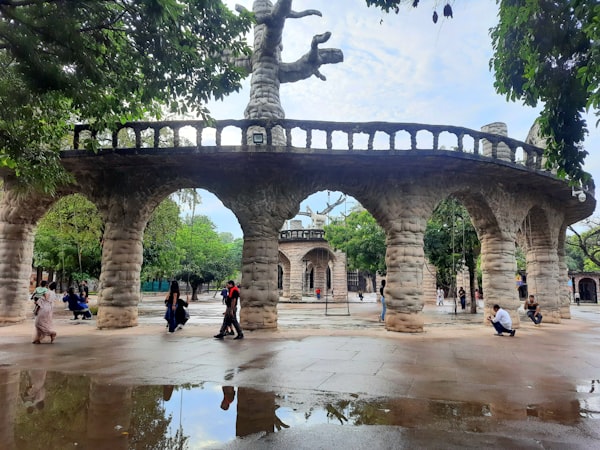
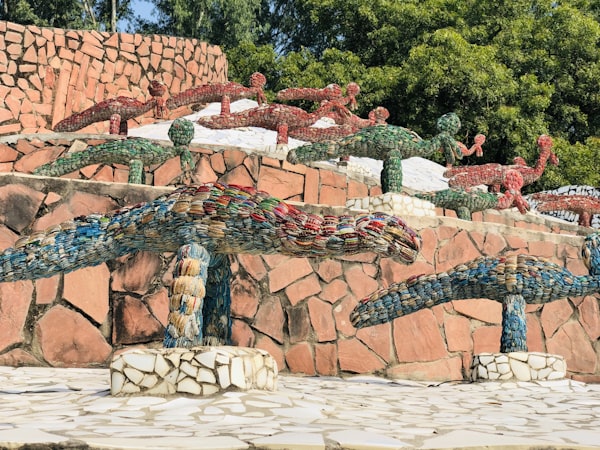
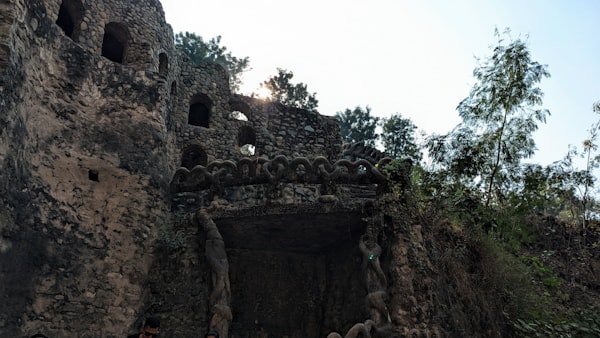
The Rock Garden began as an act of quiet defiance: Nek Chand, a road inspector, spent 18 years secretly building a fantasy kingdom from industrial waste and broken ceramics on government land. Discovered in 1975 and nearly demolished, it was instead recognised as a masterwork and opened as a museum. Today it spans 40 acres and is Chandigarh's most visited attraction.
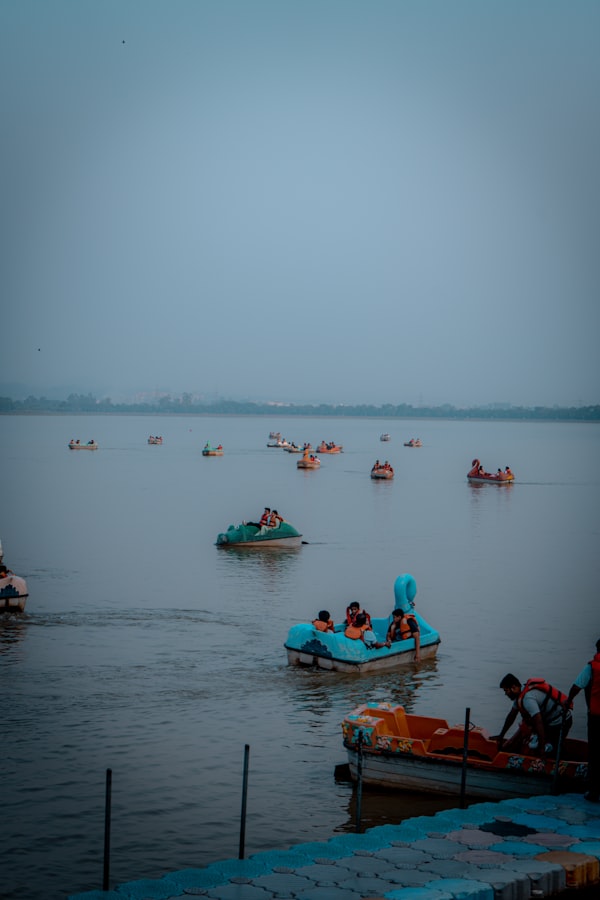
Sukhna Lake was built in 1958 at the foot of the Shivalik Hills and has been a fixture of daily Chandigarh life ever since. The 3-kilometre promenade is among the most pleasant urban walks in North India — particularly at dawn, when mist sits on the water and migratory birds crowd the shallows. Boating, birdwatching, and simply sitting here are all worth the time.
Sector 17 Plaza is the commercial centrepiece Le Corbusier designed for Chandigarh's civic life — a pedestrian square of concrete arcades and open space intended for walking, meeting, and commerce. It is one of the few places in North India where a city centre was designed for people rather than cars. The result is imperfect but genuinely livable.
The Museum of Partition in Chandigarh's Town Hall is one of South Asia's most important museums of modern memory — documenting the displacement of 15 million people in 1947 through testimonies, photographs, and personal objects. Chandigarh itself was built partly to house the waves of Punjabi refugees who crossed the new border. The museum makes the city's origin story visible and visceral.

Chandigarh's Punjabi food operates on the principle that abundance is a virtue: the butter chicken is richer, the sarson da saag more intensely mustard, the lassi larger than you expect anywhere. The dhaba culture along the Ambala highway and the Elante food court represent two ends of the same generous tradition. Eating well in Chandigarh requires almost no effort.
Chandigarh's nightlife is the finest in North India outside Delhi — and unlike Delhi, it operates in a planned city where distances are sensible and autos are plentiful. Sector 26, Sector 17, and the lanes behind the PCA ground contain bars, live music venues, and late-night cafés across a range of budgets. The student population from PU and PEC keeps the scene consistently lively.
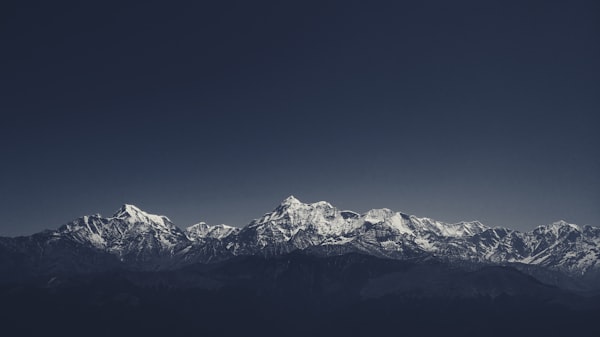
Chandigarh sits at exactly the point where the plains end and the Shivalik hills begin — which means the Himalayas are uniquely accessible from here. Shimla is 90 minutes by road, Manali five hours, Kasol four. For exchange participants who want mountains on a weekend without flying, there is no better base city in India.
Everything you need to know before arriving in Chandigarh.
Options include hostels, host families, and shared flats — ideally within a 4 km radius of your workplace. Your local committee will help arrange everything.
Chandigarh is one of India's more comfortable cities to live in. Expect ₹9,000–12,000 per month for meals, transport, and daily expenses. Your local committee will provide a detailed breakdown.
Auto-rickshaws, taxis, and local CTU buses connect the city. Chandigarh is famously cycling-friendly — rent a bicycle and explore the numbered sectors like a local!
You'll need a valid Indian visa for your exchange. Your local committee will provide a detailed visa guide and assist with the application process.
Chandigarh has excellent healthcare with government hospitals and private facilities like Fortis and Max. Your local committee provides safety protocols and is available 24/7.
Punjabi and Hindi are the primary languages; English is widely spoken, especially among the educated urban population. Chandigarh is highly cosmopolitan and welcoming to visitors.
Jio and Airtel offer excellent 4G/5G coverage across Chandigarh. SIM cards are available at the airport and any authorised store with your passport — affordable data plans available.
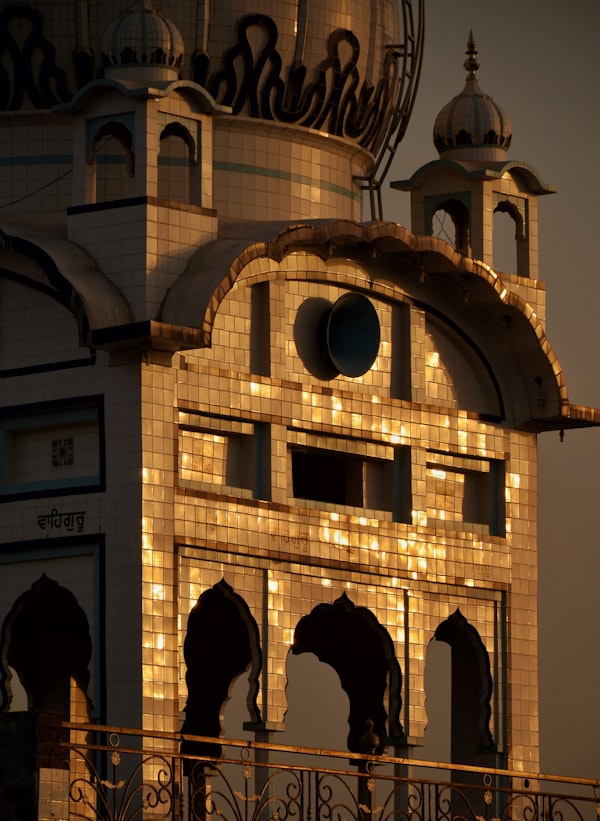
Dress modestly at religious sites and cover your head at Gurudwaras. Remove shoes before entering. Punjabi hospitality is legendary — expect to be fed more than you can eat!
Three ways to experience Chandigarh through AIESEC.

A 6–8 week volunteering exchange program for ages 18–30, focused on sustainable development goals. Make a tangible impact on local communities while immersing yourself in Punjabi culture.

A professional internship experience designed to accelerate your career development in a global setting. Work with Chandigarh's growing industries and gain real-world professional skills.

Bridge educational gaps by teaching in Chandigarh's schools and communities. Develop culturally responsive pedagogy while making a lasting impact on young learners.
Your dedicated team in Chandigarh, ready to make your exchange unforgettable.
Reach out to our national team for any questions about exchanges in Chandigarh.