
The Feeling of Warmth
A royal city with a generous soul — Patiala's heritage, food, and people wrap you in an embrace that feels like home from your very first hour here.
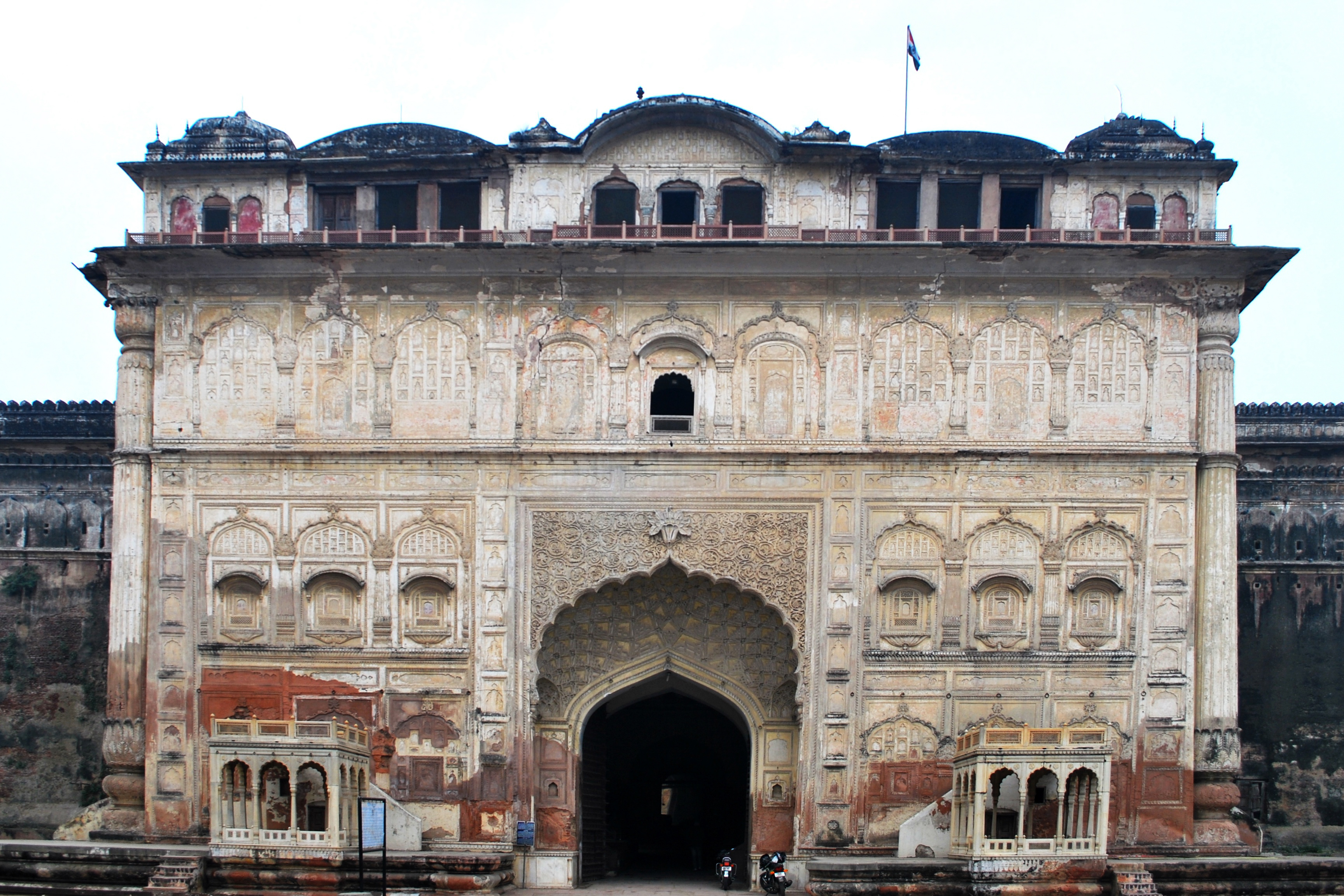
Patiala is Punjab's royal city — once the capital of the powerful Patiala State under the Phulkian dynasty, and still wearing its regal history with quiet pride. The Qila Mubarak fort complex, the Moti Bagh Palace, and the stunning Sheesh Mahal (Palace of Mirrors) all speak to a legacy of extraordinary architectural patronage and cultural ambition.
AIESEC in Patiala offers exchange participants a side of Punjab that is less explored but deeply rewarding. The city's slower pace, genuine community warmth, and pride in its heritage create an exchange experience defined by the feeling of warmth — the kind that makes you feel immediately at home, no matter how far you've travelled to get here.

What makes Patiala unforgettable.

Qila Mubarak — the Blessed Fort — was built in the early 18th century by Baba Ala Singh and served as the seat of Patiala state for two centuries. The fort complex contains durbars, temples, and administrative buildings accumulated by successive rulers, each adding their own architectural layer. It is the physical embodiment of Patiala's identity as a princely city, and its scale in the centre of a mid-sized city remains impressive.

The Palace of Mirrors, built by Maharaja Narinder Singh in 1847, is Patiala's most breathtaking architectural set-piece — its interior chambers covered in coloured Belgian glass and mirror work that creates an effect of infinite kaleidoscopic reflection. The building now serves as a heritage hotel and museum. It is among the most visually extraordinary interiors in Punjab, and the surrounding grounds are equally beautiful.

Patiala's relationship with food is generous — portions are extravagant, flavours are unsubtle, and the chai is made with enough milk to be a meal in itself. The butter chicken and kadhi-rice at the dhabas around the bus stand are as good as these dishes get anywhere in Punjab. For exchange participants, sharing food in Patiala is the fastest way into the social life of the city.

Phulkari — 'flower work' — is an embroidery tradition so rooted in this region that a Punjabi wedding without it is inconceivable. The craft is worked in silk thread on cotton cloth by women who learn the patterns as children, with each district maintaining its own colour palette and motif vocabulary. The phulkari market near Qila Mubarak is the best place in India to find authentic pieces directly from the makers.

Patiala is home to the National Institute of Sports — India's premier athletic training institution — where almost every Indian Olympian has trained at some point. The NIS facility includes tracks, pools, gymnasiums, and coaching infrastructure of national standard. For exchange participants with a sporting background, the access to serious training infrastructure in a small city is unexpected and genuinely valuable.

Gurudwara Dukh Niwaran Sahib — the 'remover of sorrows' — draws tens of thousands of pilgrims to Patiala and is one of Punjab's most significant religious sites, its holy tank believed to have healing properties. The langar operates at enormous scale, feeding pilgrims and visitors continuously throughout the day. The atmosphere, particularly during the main prayer hours, is one of the most genuinely peaceful in the state.
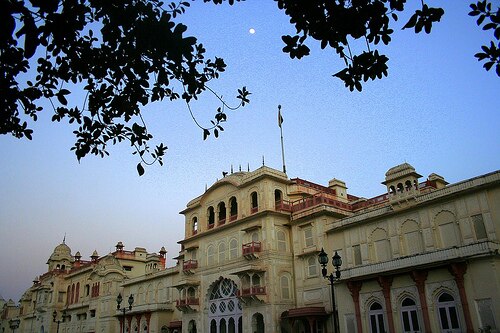
Beyond Qila Mubarak, Patiala is scattered with monuments to its princely ambitions: the European-inspired Moti Bagh Palace now houses the National Institute of Sports; the Bahadurgarh Fort sits on a reservoir outside the city; the Gurdwara Fatehgarh Sahib marks a site of significant Sikh history. The layering of architectural ambitions across two centuries gives the city a depth unusual for its size.

Patiala is a university city at heart — Punjabi University, Thapar Institute, and Rajindra Medical College give it a large, diverse student population that shapes much of the city's social character. The AIESEC chapter here is well-established and well-connected to both the university and the wider civic community. For incoming exchange participants, integration into this student world is relatively quick.
Everything you need to know before arriving in Patiala.
Options include hostels, host families, and shared flats. Your local committee will assist in arranging accommodation close to your workplace or the Punjabi University campus area.
Patiala is one of India's most affordable cities for exchange participants. Budget ₹7,000–9,000 per month for daily transport, meals, and expenses. Punjab's legendary hospitality often means you eat better than you spend.
Auto-rickshaws, shared autos, and local bus services provide transport across Patiala's compact city. Ola/Uber cabs offer comfortable intercity connectivity. The city is manageable by bicycle in many areas.
You'll need a valid Indian visa for your exchange. Your local committee will provide a detailed visa guide and assist with the application process.
Patiala has solid healthcare infrastructure including Rajindra Hospital and multiple private clinics. Your local committee provides comprehensive health and safety guidelines and 24/7 emergency support.
Punjabi is the primary language and a deeply cherished part of local identity. Hindi is widely spoken. English is understood in university and professional settings. Locals will eagerly teach you Punjabi phrases.
Jio and Airtel offer reliable 4G coverage across Patiala. Pick up a prepaid SIM at any mobile store with your passport — data plans are affordable and connectivity is consistent throughout the city.
Cover your head and remove shoes at all Gurudwaras — this is essential and deeply respectful. Patiala's royal heritage instils a certain graciousness in its people; match their warmth and generosity with your own genuine curiosity.
Two ways to experience Patiala through AIESEC.

A 6–8 week volunteering exchange program for ages 18–30, focused on sustainable development goals. Make a tangible impact on communities while experiencing the royal warmth of Patiala's Punjabi culture.

Bridge educational gaps by teaching in Patiala's schools and communities. The city's strong academic culture and Punjabi University's legacy make for an extraordinary teaching environment.
Your dedicated team in Patiala, ready to make your exchange exceptional.
Reach out to our national team for any questions about exchanges in Patiala.